
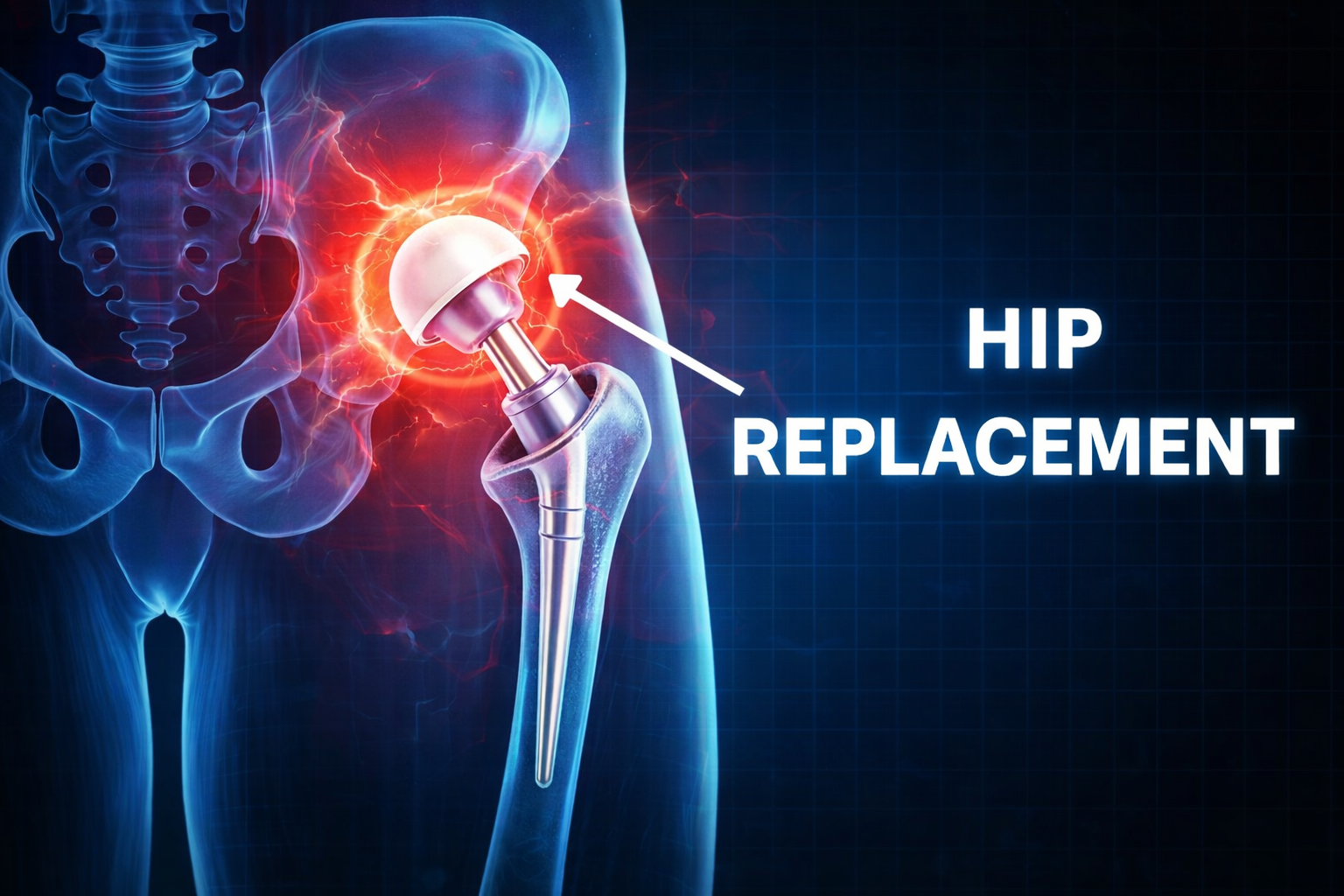
Hip pain can affect anyone — from athletes to people who simply took one wrong step. While mild discomfort often improves with rest or medication, ongoing or worsening pain may signal deeper joint damage. Knowing the warning signs can help you decide when it’s time to seek professional care.
◼️You’ve Had a Hip Injury
A fall or accident can damage the hip joint, and even minor injuries may lead to lasting pain. If movement becomes difficult or consistently uncomfortable, it’s important to get evaluated.
◼️Pain Doesn’t Go Away — Even at Rest
Soreness after activity is common, but pain that lingers while sitting or sleeping isn’t. Night pain or constant aching may indicate inflammation or joint deterioration.
◼️Stiffness and Swelling Limit Movement
If your hip feels tight, swollen, or hard to move, conditions like osteoarthritis or other joint disorders could be involved. Persistent stiffness that affects mobility may require more than conservative treatment.
◼️Everyday Tasks Are Becoming Difficult
Struggling to bend, walk, or climb stairs is a red flag. When simple daily activities become challenging, it may be time to explore advanced treatment options.
◼️Treatments No Longer Help
If medications, physical therapy, or injections fail to provide relief, surgery might be the next step. Unlike temporary solutions, hip replacement addresses the underlying joint damage.
◼️Chronic Pain Is Affecting Your Quality of Life
Ongoing discomfort can impact your mood, sleep, and overall well-being. Restoring mobility and reducing pain can significantly improve both physical and emotional health.
◼️Looking Toward Long-Term Relief
Modern hip replacement procedures can restore function and comfort for many years, helping patients return to active, fulfilling lives.