
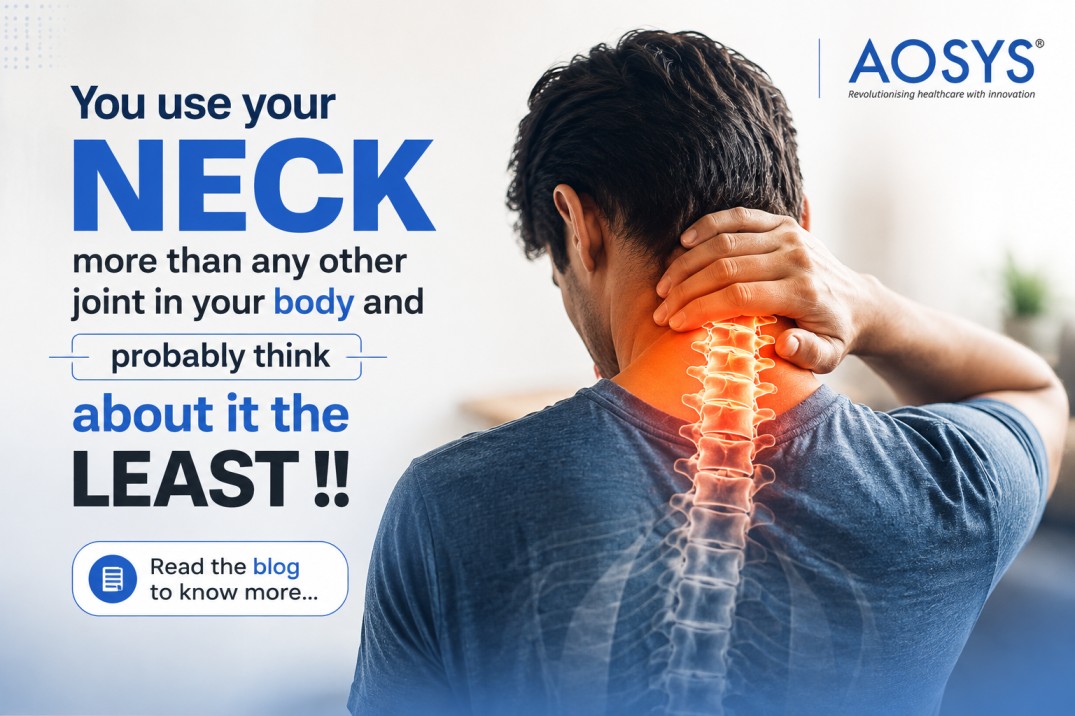
Your Neck Works Harder Than You Think
Your neck works hard every day, but it is easy to overlook until something starts to hurt.
The cervical spine, made up of seven vertebrae, supports your head while allowing you to turn, tilt, and move it in different directions. Long periods of sitting, looking down at a phone, repetitive movements, muscle strain, age-related changes, and injuries can all contribute to neck pain and stiffness.
The good news is that supporting your neck health does not require a complicated routine. A few simple habits can help you stay active, maintain mobility, and reduce unnecessary strain on your neck.
What Can Affect Your Neck Health?
Several everyday factors can contribute to neck discomfort, including:
➡️ Poor posture or prolonged screen use
➡️ Staying in one position for too long
➡️ Repetitive neck movements
➡️ Muscle strain or an awkward sleeping position
➡️ Age-related changes in the cervical spine
➡️ Falls, sports injuries, or other trauma
Low bone density is also important to consider, particularly because osteoporosis can weaken bones and increase the risk of fractures. However, osteoporosis usually has no symptoms until a fracture occurs, so neck pain alone should not be assumed to be a sign of low bone density.
1. Keep Your Screen at a Comfortable Height
Looking down at a phone or computer for long periods can place additional strain on the muscles and structures around your neck.
Try to keep your screen close to eye level, relax your shoulders, and avoid staying in the same position for extended periods.
The goal is not to maintain a “perfect posture” all day. Regularly changing positions and moving throughout the day is just as important.
2. Choose Comfortable Support While Sleeping
Your sleeping position and pillow can affect how comfortable your neck feels when you wake up.
Choose a pillow that keeps your head and neck comfortably aligned rather than forcing your neck too far upward or downward.
If you regularly wake up with neck pain or stiffness, consider whether your sleeping position or pillow could be contributing to the problem.
3. Move More, Sit Less
Your neck and spine benefit from regular movement.
If you work at a desk, take short breaks to stand, walk, change position, and move your shoulders and neck.
Regular physical activity also supports muscle strength, balance, and overall bone health. Weight-bearing and resistance exercises can help strengthen muscles and support healthy bones.
4. Keep Your Neck Moving Gently
Gentle neck movements can help maintain flexibility and mobility.
Slowly turn your head from side to side, gently tilt your neck within a comfortable range, or perform controlled shoulder rolls.
Never force a movement or continue an exercise that causes sharp pain, dizziness, numbness, tingling, or weakness.
If you have osteoporosis, a previous fracture, or an existing neck or spine condition, speak with a healthcare professional before starting a new exercise routine. The safest exercises depend on your individual condition and level of bone loss.
5. Support Your Bone Health
Taking care of your neck is only one part of maintaining a healthy musculoskeletal system.
Support your bone health by:
🔹 Staying physically active
🔹 Including appropriate weight-bearing and resistance exercises
🔹 Getting adequate calcium and vitamin D
🔹 Avoiding smoking
🔹 Limiting excessive alcohol consumption
🔹 Discussing bone density testing with your healthcare provider if you are at increased risk of osteoporosis
Bone mineral density testing, commonly performed using a DXA scan, can help identify osteoporosis and assess fracture risk.
When Should You See a Doctor for Neck Pain?
Most neck pain is not caused by a serious condition and may improve with time and self-care.
However, medical evaluation is important if neck pain:
➡️ Persists for several weeks
➡️ Becomes severe or worsens quickly
➡️ Develops after a fall, accident, or other injury
➡️ Spreads into the arms or legs
➡️ Is accompanied by numbness, tingling, or weakness
Sudden severe neck pain after an injury requires prompt medical attention.
The Bottom Line
Your neck does a lot of work every day. You can support its health with simple habits: keep your screen at a comfortable height, avoid staying in one position for too long, stay physically active, move your neck gently, and pay attention to your overall bone health.
You do not need a perfect routine. Consistent, sensible habits can help support long-term neck and spine health.
And if pain persists, worsens, or is accompanied by neurological symptoms, do not simply assume it is a posture problem. Getting the right medical evaluation is the better approach.
At AOSYS, we believe better orthopedic care begins with knowledge, precision, and continuous innovation.
As an orthopedic implant manufacturer, AOSYS develops implant and instrument solutions designed to support surgeons across a range of orthopedic procedures. Our focus on engineering, quality, and orthopedic education reflects our commitment to supporting modern surgical practice.
Explore AOSYS to learn more about orthopedic implant solutions and educational resources for healthcare professionals.
Frequently Asked Questions
Can poor posture cause neck pain?
Yes. Prolonged poor posture, particularly when using computers or smartphones, can strain the neck and contribute to pain and stiffness.
Are neck exercises good for neck health?
Gentle neck exercises can help maintain flexibility and movement. They should be performed comfortably and stopped if they cause pain or other concerning symptoms.
Does osteoporosis cause neck pain?
Not usually. Osteoporosis is often symptom-free until a fracture occurs. It can weaken bones and increase fracture risk, but neck pain alone does not indicate osteoporosis.
Can exercise improve bone health?
Yes. Appropriate weight-bearing and resistance exercises can help strengthen muscles and support bone health.
When should I see a doctor for neck pain?
See a healthcare professional if neck pain persists, becomes severe, follows an injury, or occurs with numbness, tingling, weakness, or pain spreading into the arms or legs.
Medical Disclaimer
This article is intended for general educational purposes only and is not a substitute for professional medical advice, diagnosis, or treatment. Consult a qualified healthcare professional for personalized guidance, especially if you have persistent neck pain, osteoporosis, or another medical condition.