
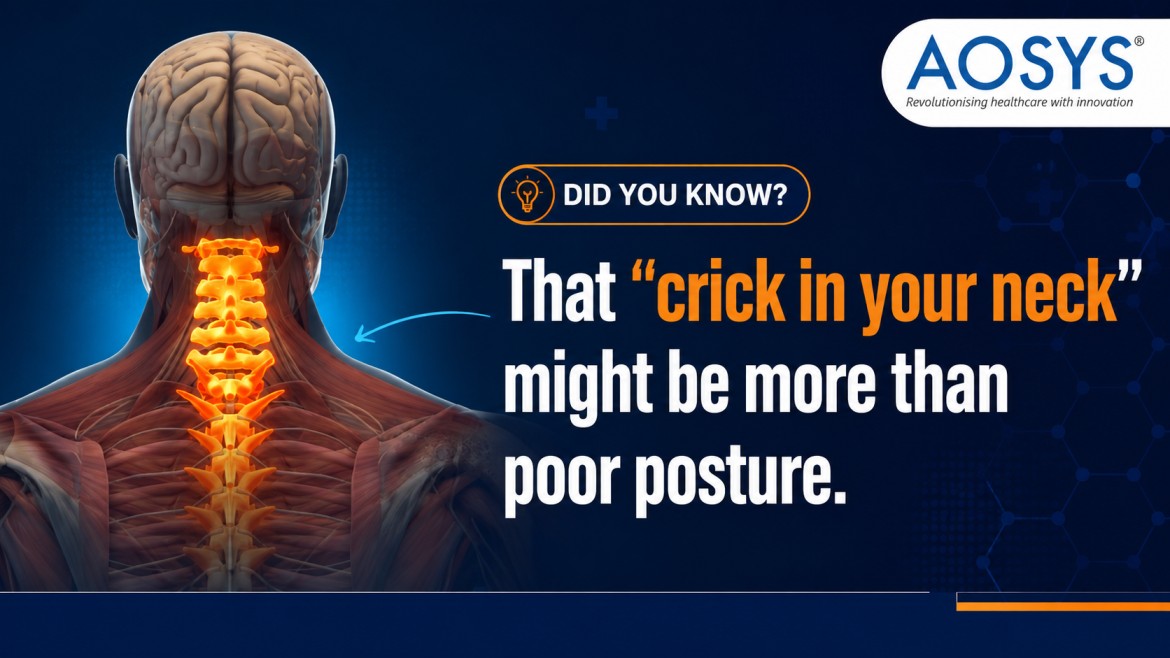
Not Every Neck Pain Is “Just a Muscle Strain”
Neck pain is one of the most common musculoskeletal complaints experienced by people of all ages. It often develops after spending long hours working at a computer, sleeping in an uncomfortable position, or carrying heavy bags. In many cases, the discomfort is temporary and improves with rest, gentle stretching, and maintaining proper posture.
However, neck pain is not always caused by muscle strain. If the pain persists, becomes more severe, or develops after even a minor fall or injury, it may indicate an underlying condition that requires medical attention. This is particularly important for individuals with low bone density or osteoporosis, as weakened bones are more susceptible to fractures.
Although osteoporosis is often referred to as the “silent disease” because it usually progresses without noticeable symptoms until a fracture occurs, maintaining healthy bones plays a vital role in protecting the spine and reducing the risk of long-term complications.
What Is Bone Density?
Bone density, also known as Bone Mineral Density (BMD), measures the amount of minerals primarily calcium and phosphorus contained within bones. Healthy bones continuously undergo a natural remodeling process, where old bone tissue is broken down and replaced with new bone.
During childhood and early adulthood, the body builds bone faster than it loses it, allowing bone mass to increase until it reaches its peak around the age of 30. As people grow older, bone loss gradually begins to exceed bone formation. If this imbalance becomes significant, bones become thinner, weaker, and more vulnerable to fractures.
When bone density decreases beyond a certain level, it is classified as:
- Osteopenia: Lower-than-normal bone density that has not yet reached the stage of osteoporosis.
- Osteoporosis: A condition in which bones become porous, fragile, and significantly more likely to fracture.
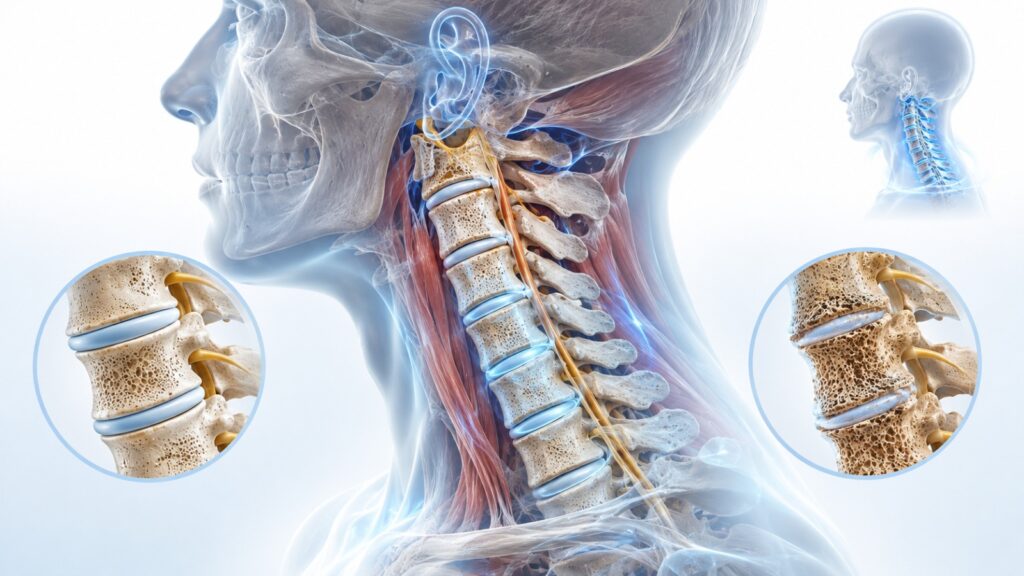
How Does Bone Density Affect the Cervical Spine?
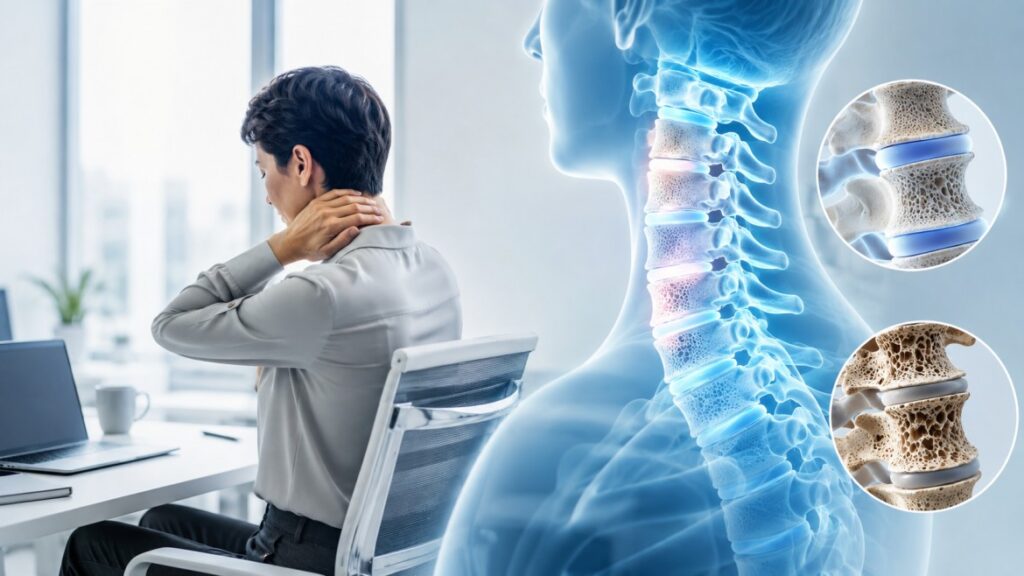
The cervical spine consists of seven vertebrae (C1-C7) that support the weight of the head while allowing smooth movement in multiple directions. Together with intervertebral discs, joints, muscles, and ligaments, these vertebrae provide both stability and flexibility.
Healthy bone density enables the cervical vertebrae to withstand everyday mechanical stress. When bone strength declines, the spine becomes more vulnerable to fractures and structural changes, particularly after falls or injuries.
Although osteoporotic fractures are more common in the thoracic and lumbar spine than in the neck, weakened bones increase the importance of evaluating persistent or unexplained neck pain in individuals at risk.
Can Low Bone Density Cause Neck Pain?
One of the most frequently searched questions is whether low bone density directly causes neck pain.
Low bone density itself generally does not produce neck pain. Most neck pain is caused by muscle strain, poor posture, age-related degeneration, or cervical disc disease. However, osteoporosis significantly increases the risk of vertebral compression fractures and other skeletal injuries that may result in pain, reduced mobility, posture changes, and decreased quality of life.
If neck pain develops after a fall, sudden movement, or another injury even one that appears minor individuals with osteoporosis should seek prompt medical evaluation.
When Should You See a Doctor?
Medical attention should be sought if neck pain:
- Persists despite rest and self-care.
- Gradually worsens over time.
- Occurs after a fall or injury.
- Is accompanied by known low bone density or osteoporosis.
Early assessment helps identify potential fractures or other underlying conditions before they become more serious.
Protecting Your Bone Health
Maintaining healthy bones is essential for preserving spinal strength and reducing fracture risk. Important preventive measures include:
- Eating a calcium-rich diet.
- Maintaining adequate vitamin D levels.
- Performing regular weight-bearing and strength-training exercises.
- Avoiding smoking and excessive alcohol consumption.
- Undergoing bone density screening when recommended by a healthcare professional.
These lifestyle habits help support stronger bones and improve long-term spinal health.
Conclusion
Strong bones are the foundation of a healthy spine, and understanding the link between bone health and neck pain can help you take timely action before complications arise. While most neck pain is not caused by osteoporosis, persistent pain, injuries, or underlying bone weakness should always be evaluated by a qualified orthopedic specialist.
At AOSYS Pvt. Ltd., we are committed to advancing orthopedic care through innovative, high-quality implants and surgical solutions trusted by healthcare professionals across India. Our comprehensive portfolio is designed to support surgeons in delivering safe, precise, and effective treatments that improve patient outcomes and restore mobility.
Whether it’s trauma management, spine care, joint reconstruction, or advanced orthopedic procedures, AOSYS continues to empower surgeons with reliable technology, clinical excellence, and continuous innovation.
Looking to learn more about orthopedic solutions or connect with our experts? Visit www.aosys.in or get in touch with the AOSYS team to discover how our innovative products are helping shape the future of orthopedic care.
Disclaimer
This content is intended for general educational purposes only and should not be considered medical advice. Please consult a qualified healthcare professional for personalized diagnosis and treatment.